Clear and effective communication with your plumber is essential for achieving a successful plumbing repair or installation. Whether you are dealing with a minor leak, planning a major renovation, or requiring emergency plumbing services in Minneapolis, understanding how to articulate your needs can make all the difference. Here, we will explore practical strategies for communicating effectively with your plumber, ensuring that both parties are on the same page and leading to satisfactory outcomes.
Understanding Your Plumbing Needs
Before reaching out to a plumber, take some time to assess the situation. Ask yourself key questions about what you're experiencing. Are you facing a plumbing system repair due to a sudden issue like a burst pipe? Or are you considering plumbing installation services for new fixtures in a renovated bathroom? Knowing the specifics of your needs helps in framing the conversation and sets clear expectations.
When discussing residential plumbing repair versus commercial plumbing repair, be aware that different standards and regulations may apply. For example, commercial systems often require more robust solutions due to higher usage demands. If you have an emergency that requires same-day plumbing repair, be prepared to provide details on the urgency of the situation.
Gathering Important Information
Start by collecting relevant information about your plumbing system before contacting a plumber. This includes:
- The age of your home or building Any previous plumbing repairs or renovations The specific symptoms or issues you are encountering Relevant measurements or specifications (like pipe sizes)
This background will not only help in conveying your message clearly but will also enable the plumber to prepare adequately for potential challenges they might face during their visit.
Initial Contact: Setting Up the Appointment
When you first reach out to a plumber, whether by phone or through email, introduce yourself and outline your needs succinctly. Use clear language and avoid jargon unless you're sure of its meaning. For instance, saying "I have a leaking faucet in my kitchen" is more effective than saying "I have an issue with my fixtures."
If you're looking for emergency plumbing repair services, make this clear at the outset. Be honest about any urgency; many plumbers prioritize urgent calls when scheduling appointments. Also inquire about their availability for same-day service if needed.
Example of Initial Communication
A good approach might look something like this:
"Hello, my name is [Your Name], and I am calling regarding an urgent issue I’m experiencing at my home located at [Address]. I have noticed water pooling under my kitchen sink due to what appears to be a leak from the pipes. Could we schedule an appointment today?"
This kind of introduction immediately clarifies who you are, what the problem is, and what you need—making it easier for the plumber to respond effectively.
During The Appointment
Once your plumber arrives, maintain open lines of communication throughout their Click here assessment and work process. Here are some tips for productive interactions:
Be Honest About Issues: Share all relevant details without holding back information that may help diagnose the problem accurately.
Ask Questions: Don’t hesitate to ask why certain repairs are necessary or how they plan on addressing specific issues. This shows that you are engaged and interested in understanding what is being done.
Clarify Terms: If your plumber uses technical language that you do not understand, request clarification. It's essential for both parties to have mutual understanding regarding work being performed.
Discuss Costs Upfront: Ensure there’s transparency around pricing before work begins. Ask how much labor and materials will cost so there are no surprises later.
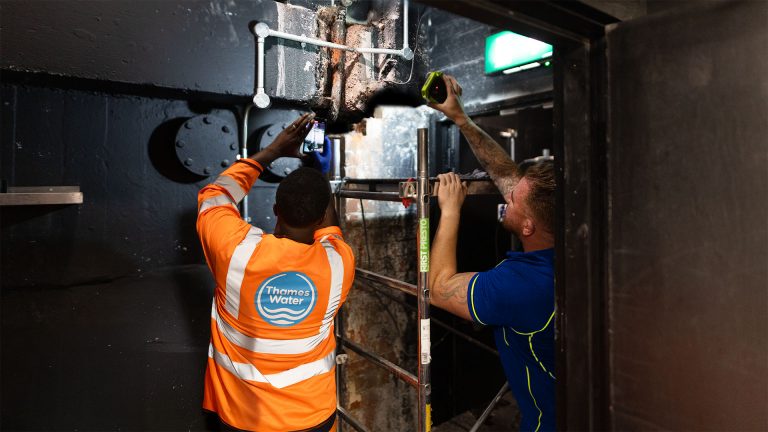
Document Everything: Take notes during discussions about repairs or installations—this can serve as reference material for future maintenance and troubleshooting.
Handling Complex Repairs
For larger projects such as extensive plumbing system installations or major repairs that go beyond simple fixes, detailed communication becomes even more critical:
- Share Long-term Plans: If you are considering future renovations or changes that could affect plumbing (like adding bathrooms), share these plans upfront. Request Written Estimates: Before any work starts on complex jobs, request detailed written estimates outlining costs associated with labor and materials required. Set Milestones: Break down large projects into phases with timelines attached so both you and your plumber can track progress effectively.
By managing complex communications well from the start, misunderstandings can be minimized, saving both time and resources down the line.
Troubleshooting Together
Sometimes problems arise after initial repairs have been completed—this is where ongoing communication is vital:
Report New Issues Promptly: If something doesn’t seem quite right after repairs or installations (for example, persistent leaks), contact your plumber immediately.
Keep Records: Maintain records of all communications regarding issues and resolutions. This documentation can facilitate smoother interactions if follow-up visits become necessary.
Feedback Loop: Provide feedback based on service quality after completion of repairs; this not only helps future interactions but also assists plumbers in refining their service quality.
Establishing Trust
Building trust forms an integral part of effective communication between homeowners and plumbers:
- Consistency Matters: Using one trusted professional consistently fosters familiarity over time—your plumber will become familiar with your home’s unique systems. Respect Their Expertise: Acknowledge their expertise while also advocating for yourself as the homeowner—this balance creates mutual respect which enhances communication flow. Seek Recommendations: When looking for new plumbers or services (especially in emergency situations), ask friends or family members for recommendations based on prior positive experiences they’ve had.
Establishing this level of trust elevates conversations from mere transactional exchanges into collaborative partnerships aimed at maintaining healthy plumbing systems long-term.
Conclusion
Effective communication with your plumber isn't merely about stating problems; it's about fostering an environment where both parties feel comfortable exchanging information openly while working toward shared goals—whether that means troubleshooting existing issues together or executing new installations seamlessly. By applying these principles when engaging with professionals providing plumbing repair services in Minneapolis MN—and beyond—you'll ensure successful outcomes every time while developing lasting relationships built upon trust and transparency within this essential trade sector!